Game on Second Grade SVG
A Designer’s First Glance: Bright, Bold, and Built for Joy
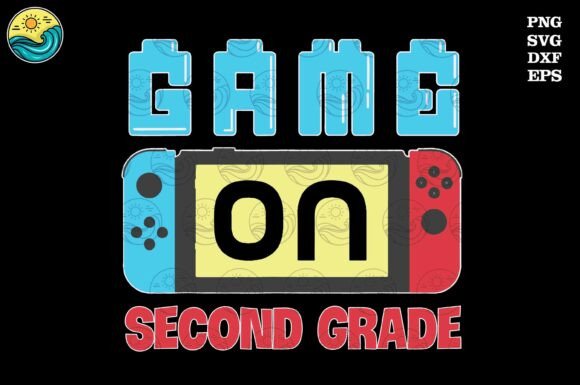
Opening Game on Second Grade SVG feels like stepping into a sunlit classroom where recess just got called — energetic, playful, and unmistakably kid-centered. The Nintendo-style graphic isn’t just “cartoony”; it carries rhythm in its lines, balance in its layout, and intentional spacing between elements. As an embroidery designer who’s stitched hundreds of school-themed files, I immediately notice how the composition avoids visual crowding: the phrase “Game On” anchors the top with confident weight, while “Second Grade” sits lower with generous letter spacing and friendly proportions. It’s not trying to be minimalist or ultra-detailed — it’s *just right* for real-world stitching.
Where This Design Truly Shines (and Why)
I recently used Game on Second Grade SVG to embroider a set of cotton twill tote bags for a local elementary PTA fundraiser. The result? Instant smiles — from teachers unpacking supplies to second graders spotting their grade’s logo mid-hallway. That tells me something important: this design doesn’t just decorate fabric; it builds connection. Its vibrant personality translates cleanly into custom apparel, especially on crewneck sweatshirts and soft cotton tees where stitch definition holds up beautifully. It also works exceptionally well as an embroidered patch — the clean outlines and moderate detail level hold shape even when heat-applied or sewn onto backpacks and lunchboxes.
For small shop products and Etsy sellers, Game on Second Grade SVG is low-friction inventory: it scales reliably across sizes (from baby onesies to adult hoodies), reads clearly at 3–4 inches wide, and pairs effortlessly with coordinating thread colors — think primary reds, blues, and yellows that pop without needing metallics or specialty threads. As a digital embroidery file, it supports quick turnaround on personalized gifts: birthday shirts, first-day-of-school caps, or sibling-matching pillow covers. And yes — it lands well in printable mockups. The contrast and shape read crisply in both light and dark background previews, which saves time when listing on Etsy or updating your shop banner.
Stitching Realities: What You’ll Want to Watch
That said, Game on Second Grade SVG isn’t magic — it’s a tool. And like any tool, it performs best when matched thoughtfully to the job. On textured fabrics like terry cloth towels or looped fleece blankets, some of the finer interior details (like small game-controller icons or subtle shading lines) can blur unless you use medium-weight cutaway stabilizer and reduce stitch density slightly. On thin or stretchy fabrics — say, lightweight jersey for toddler tees — always test first. A single layer of tear-away plus basting stitches around the perimeter helps prevent puckering, especially near curved edges like sleeve hems or cap fronts.
Caps and curved surfaces demand extra attention. The design’s horizontal emphasis means it adapts better to front-panel cap embroidery than side-panels or back-strap placements. If you’re planning sweatshirt embroidery on ribbed cuffs or hoods, consider simplifying or omitting optional decorative accents (if included in layered versions) — those tiny satin-stitched highlights may not register cleanly at tight curves.
And here’s a quiet but critical note: while the design reads clearly on light fabric, avoid using it on very dark backgrounds *without adjusting thread contrast*. A pale yellow “Game On” text won’t stand out on navy without deeper-toned thread or a subtle underlay. Always run a black-and-white mockup before finalizing — it reveals contrast gaps no color screen catches.
Design Integrity in Action
What makes Game on Second Grade SVG feel trustworthy for commercial embroidery and craft business use isn’t just aesthetics — it’s consistency. The letterforms are legible at 2.5 inches wide, the iconography avoids over-complexity (no micro-satin fills or nested applique layers), and the overall footprint stays within standard hoop limits for most mid-range machines. That means fewer re-hooping stops, less digitizing cleanup, and smoother client handoffs — whether you’re fulfilling a boutique branding request or prepping holiday embroidery kits.
It also reinforces brand consistency for shops focused on school-year themes. Paired with simple monograms or grade-level icons (like stars or pencils), it creates a cohesive visual language across tote bag designs, aprons for classroom helpers, and even kitchen towels for teacher appreciation gifts. Customers recognize it instantly — not as generic clipart, but as a warm, intentional signature.
Practical Notes Every Embroiderer Should Run Before Stitching
- Test first — stitch Game on Second Grade SVG on scrap fabric matching your final project’s weight and stretch.
- Check thread color contrast — especially if stitching on dark or heathered fabric.
- Review stitch density — dense fill areas may need reduced density or alternate underlay on delicate fabrics.
- Confirm hoop size compatibility — ensure your machine’s largest hoop comfortably contains the full design with ¼" margin.
- Inspect small details — zoom in digitally on corners, letter terminals, and icon edges before sending to the machine.
- Try black-and-white mockups — they expose legibility issues faster than color previews.
- Use proper stabilizer — medium cutaway for knits, tear-away for stable wovens, and fusible for lightweight linens.
- Verify licensing — if selling finished items or bundling as design assets, confirm commercial use rights directly with the source.
Final Thought: A Design That Delivers on Feeling, Not Just Form
Game on Second Grade SVG succeeds because it balances personality with practicality. It’s not trying to be fine art or technical showmanship — it’s built for the joyful, slightly messy reality of real embroidery projects: last-minute school orders, handmade gifts with heart, and small-batch merchandise that feels personal, not mass-produced. Whether you’re an embroidery designer sourcing reliable T-Shirt Designs, an Etsy seller building a themed collection, or a parent stitching a first-day surprise, this file earns its place in your library by delivering clarity, charm, and consistent results — stitch after stitch.