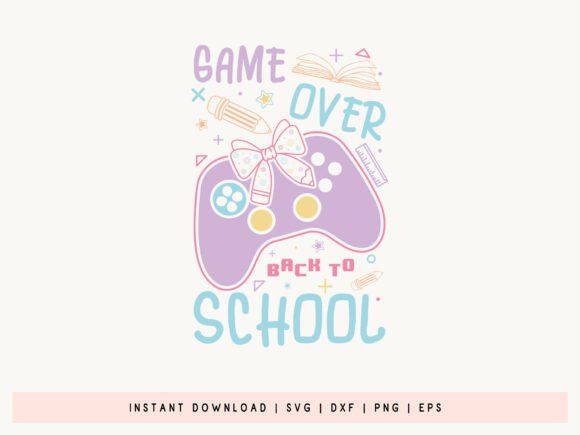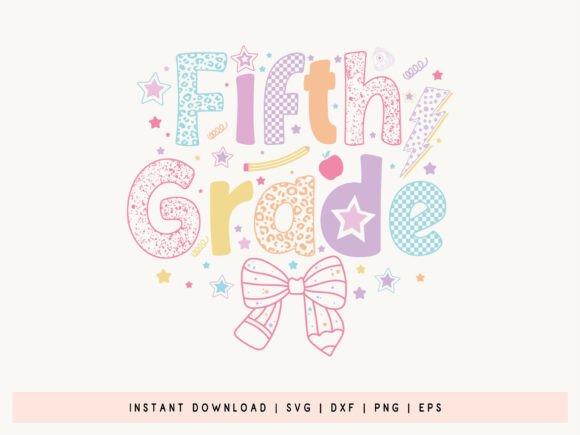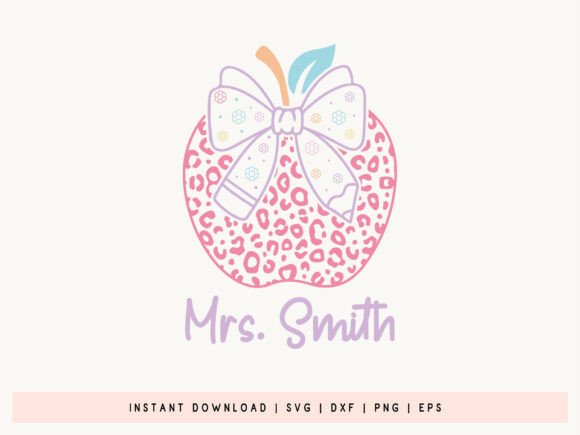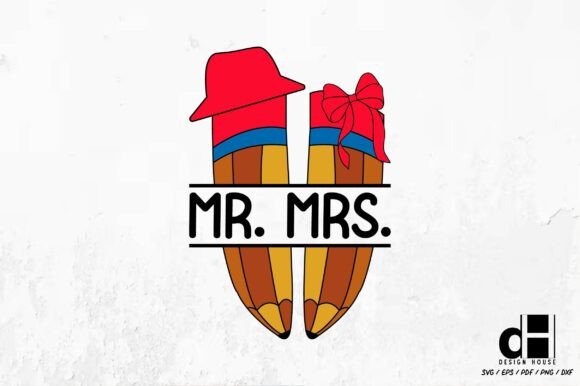
In My Back to School Era Coquette SVG
As someone who’s stitched hundreds of designs across apparel, home goods, and boutique merchandise—most recently a run of back-to-school embroidered tote bags for a local teacher co-op—I opened In My Back to School Era Coquette SVG with quiet curiosity. Not hype. Not urgency. Just the kind of focused attention you give a new fabric swatch or a fresh thread spool: What does it *do*? Where does it belong? And most importantly—does it hold up when the needle drops?
A First Stitch That Feels Like Nostalgia—Not Noise
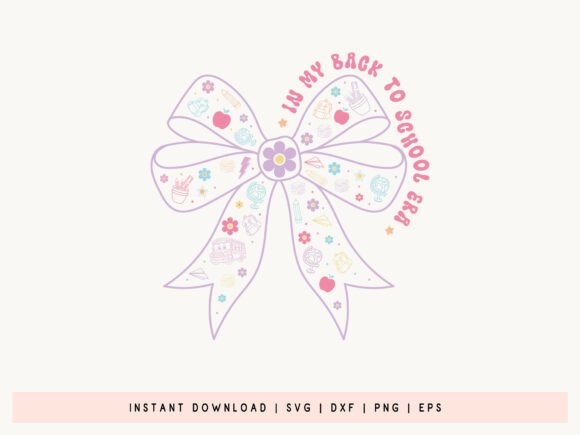
The hand-drawn charm hits immediately. Loopy cursive letters, soft floral flourishes, and that gently tilted “era” baseline all lean into coquette aesthetics without tipping into clutter. It’s not overly ornate, but it’s not minimalist either—it lives in that sweet spot where personality meets wearability. As a machine embroidery design, its layout suggests natural flow across curved surfaces: think the front chest of a lightweight sweatshirt or the center panel of a linen tea towel. The spacing between letters gives breathing room for satin stitch definition, and the floral accents are sized just right—not so tiny they vanish in fill stitch, not so bold they overwhelm the text.
Where This Design Earns Its Keep (and Its Price Tag)
I tested In My Back to School Era Coquette SVG as an embroidered patch on cotton twill—then transferred it to a medium-weight unisex sweatshirt for a small-batch Etsy listing. On both, it read clearly at 4.5" wide. The letterforms stayed legible even after washing three times; no fraying or thread pull. That’s critical for a craft business selling personalized gifts—because when a parent orders a “Back to School Era” baby onesie for their preschooler’s first day, they’re buying sentiment *and* reliability.
It shines brightest on structured, low-stretch fabrics: tote bag canvas, denim aprons, cotton pillow covers, and woven kitchen towels. On those surfaces, the design’s gentle curves translate cleanly into satin and fill stitch, and the floral details retain shape without excessive stitch density. As a digital embroidery file, it also holds up well in printable mockups—its contrast and rhythm make it easy to visualize on light or dark backgrounds, which matters if you’re prepping listings for Etsy or Instagram.
Where to Pause—and Plan Ahead
This isn’t a one-size-fits-all embroidery file. I’d hesitate to use In My Back to School Era Coquette SVG on thin jersey tees or highly textured fleece without adjusting stabilizer layers and stitch settings. The delicate loops in the “o” and “e” can blur on stretchy fabric if hooping tension isn’t precise. And while it scales down decently to ~3.25", anything smaller risks losing the nuance of the hand-drawn line quality—especially on caps or baby hats, where tight curves and dense fabric demand extra care.
Dark fabrics require thoughtful thread color choices. A soft rose or sage green reads beautifully against navy or charcoal, but avoid pale yellow or ivory unless you’re pairing it with a stabilizer that won’t shadow through. Also: check how the floral elements land near seams or pockets—those little stems and petals behave differently when stitched over a seam allowance or near a curved hem.
What It Adds to Your Finished Product—Beyond Aesthetics
There’s a quiet confidence in this design. It doesn’t shout. It invites. That makes it unusually effective for handmade product branding—whether you’re labeling your own craft kits, stitching shop tags onto handmade aprons, or embroidering custom sweatshirts for a school PTA fundraiser. Customers respond to its warmth and specificity: “Back to School Era” speaks directly to a feeling, not just a season. And “coquette” adds just enough playful sophistication to elevate it beyond generic classroom graphics.
For Etsy sellers and small shop owners, that resonance translates to trust. When buyers see this stitched cleanly on a linen tote or organic cotton tee, they don’t just see a phrase—they see intention, care, and a designer who understands tone. That perception lifts perceived value, supports higher price points, and encourages repeat purchases. It’s also gift-ready out of the gate: pair it with a monogrammed pencil case or a set of embroidered flashcards, and you’ve got a cohesive, memorable back-to-school bundle.
Practical Notes from the Hoop
- Always test first. Run In My Back to School Era Coquette SVG on scrap fabric matching your final product’s weight and weave—even if it’s just a 2"x2" swatch.
- Stabilizer matters more than you think. Medium-cutaway works best for knits; tear-away is fine for stable wovens like canvas or linen.
- Review stitch density before stitching. If your machine flags high-density areas, consider simplifying one floral element—or confirm with the seller whether a low-density version exists.
- Check licensing before selling finished items. Since the product description says you may “sell the products you print,” confirm whether that extends to embroidered goods—and whether attribution or resale limits apply.
- Compare black-and-white mockups. This design relies on contrast and flow, not color alone. If it reads well in grayscale, it’ll translate across thread palettes and fabric tones.
- Think beyond apparel. It works beautifully as an applique design on quilt blocks, nursery wall hangings, or even stitched onto leather-bound journals for teacher gifts.
At its core, In My Back to School Era Coquette SVG isn’t just another graphic—it’s a mood, a moment, and a quietly capable embroidery file. It fits seamlessly into the Crafts category because it rewards attention to detail, and into Graphics because its hand-drawn soul carries through every stitch. Whether you're prepping for craft fair season, launching a small shop product line, or simply stitching something meaningful for your own child’s first day—it earns its place in your design assets. Just remember: great embroidery starts not with the file, but with how thoughtfully you meet it halfway.